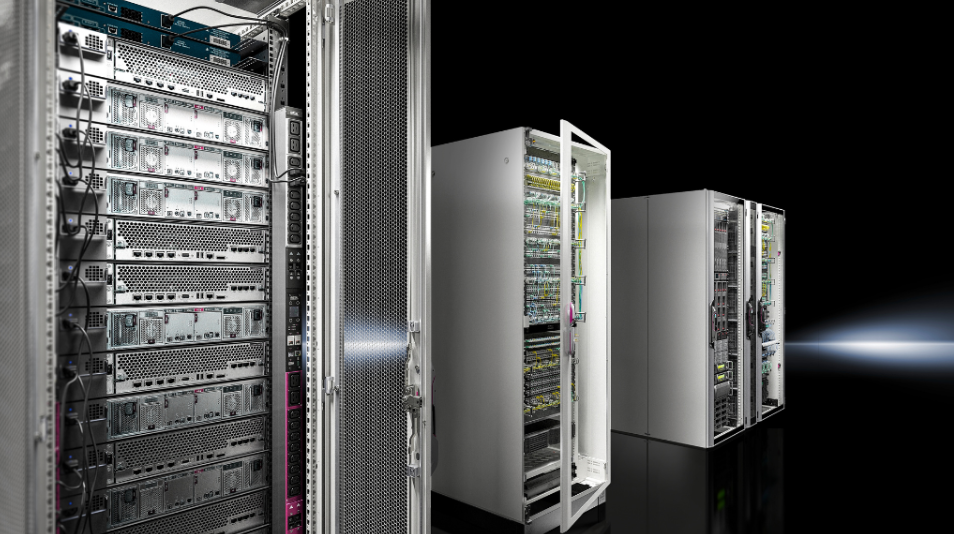

In today’s fast-paced digital era, businesses require efficient, scalable, and reliable IT infrastructure to manage growing volumes of data. One solution that has emerged as a game-changer in the industry is the module data center. Also referred to as modular data centers, these innovative structures offer flexibility, efficiency, and rapid deployment capabilities, transforming how organizations manage their IT operations.
What is a Module Data Center?
A module data center is a pre-engineered, standardized data center built using prefabricated modules or units. Each module contains essential data center components such as servers, cooling systems, power supplies, and networking equipment. Unlike traditional data centers, which are constructed on-site and require extensive planning and construction time, modular data centers are designed for rapid assembly and deployment.
These modular units can be combined or stacked to create larger data center solutions, allowing organizations to scale their infrastructure based on current and future demands. This approach not only reduces construction time but also optimizes operational efficiency.
See also: Unlocking Home Entertainment: The Joy and Benefits of a Well-Configured TV Setup
Key Components of a Module Data Center
A module data center typically includes the following components:
- IT Module – Houses servers, storage devices, and networking equipment.
- Cooling Module – Ensures optimal operating temperatures using precision cooling technologies.
- Power Module – Includes UPS systems, backup generators, and power distribution units for uninterrupted operations.
- Security Module – Integrates physical and digital security measures to protect sensitive data.
- Management Module – Provides monitoring, automation, and management tools for centralized control.
Each module is designed for plug-and-play integration, enabling fast deployment without compromising reliability or performance.
Advantages of Module Data Centers
The adoption of modular data centers has surged due to several significant benefits:
- Rapid Deployment – Modular data centers can be built and operational in a fraction of the time required for traditional data centers.
- Scalability – Organizations can expand capacity incrementally by adding modules as needed.
- Cost Efficiency – Reduced construction costs and lower operational expenses make modular data centers financially attractive.
- Flexibility – Modules can be customized based on specific requirements, such as cooling capacity, power redundancy, and server density.
- Energy Efficiency – Advanced cooling and power management systems optimize energy consumption, contributing to sustainability goals.
- Mobility – Some modular data centers are portable, enabling deployment in remote or temporary locations.
Applications of Module Data Centers
Module data centers are widely used across industries due to their versatility:
- Enterprise IT – Companies use modular solutions to quickly expand data storage and processing capabilities.
- Telecommunications – Telecom providers deploy modular data centers to support network expansions and 5G infrastructure.
- Cloud Service Providers – Cloud platforms rely on modular centers for scalable and geographically distributed operations.
- Healthcare – Hospitals utilize modular data centers to manage sensitive patient data and medical applications.
- Disaster Recovery – Rapidly deployable modules serve as backup facilities in case of natural disasters or system failures.
Challenges and Considerations
While module data centers offer numerous advantages, there are a few considerations to keep in mind:
- Initial Investment – Although cost-effective in the long run, the upfront investment can be significant.
- Customization Limits – Standardized modules may not meet highly specialized requirements without additional engineering.
- Integration with Existing Infrastructure – Ensuring seamless integration with legacy systems may require careful planning.
Frequently Asked Questions (FAQs)
Q1: How long does it take to deploy a module data center?
Deployment typically ranges from a few weeks to a couple of months, depending on the size and complexity of the modules.
Q2: Can module data centers be expanded?
Yes, they are designed to be scalable. Additional modules can be added without disrupting existing operations.
Q3: Are modular data centers energy-efficient?
Absolutely. They often incorporate advanced cooling and power management systems that reduce energy consumption.
Q4: Where can module data centers be used?
They can be deployed in enterprises, cloud computing facilities, telecommunications, healthcare, military operations, and disaster recovery sites.
Q5: Do modular data centers offer the same reliability as traditional data centers?
Yes, they are built to meet stringent standards for uptime, security, and performance, ensuring comparable reliability.
Conclusion
Module data centers represent a transformative approach to IT infrastructure, offering rapid deployment, scalability, energy efficiency, and cost-effectiveness. Their modular design allows businesses to respond to evolving technological needs while minimizing downtime and operational costs. As data demands continue to grow, modular data centers are set to become a cornerstone of modern IT strategies, delivering flexibility, resilience, and efficiency to organizations worldwide.